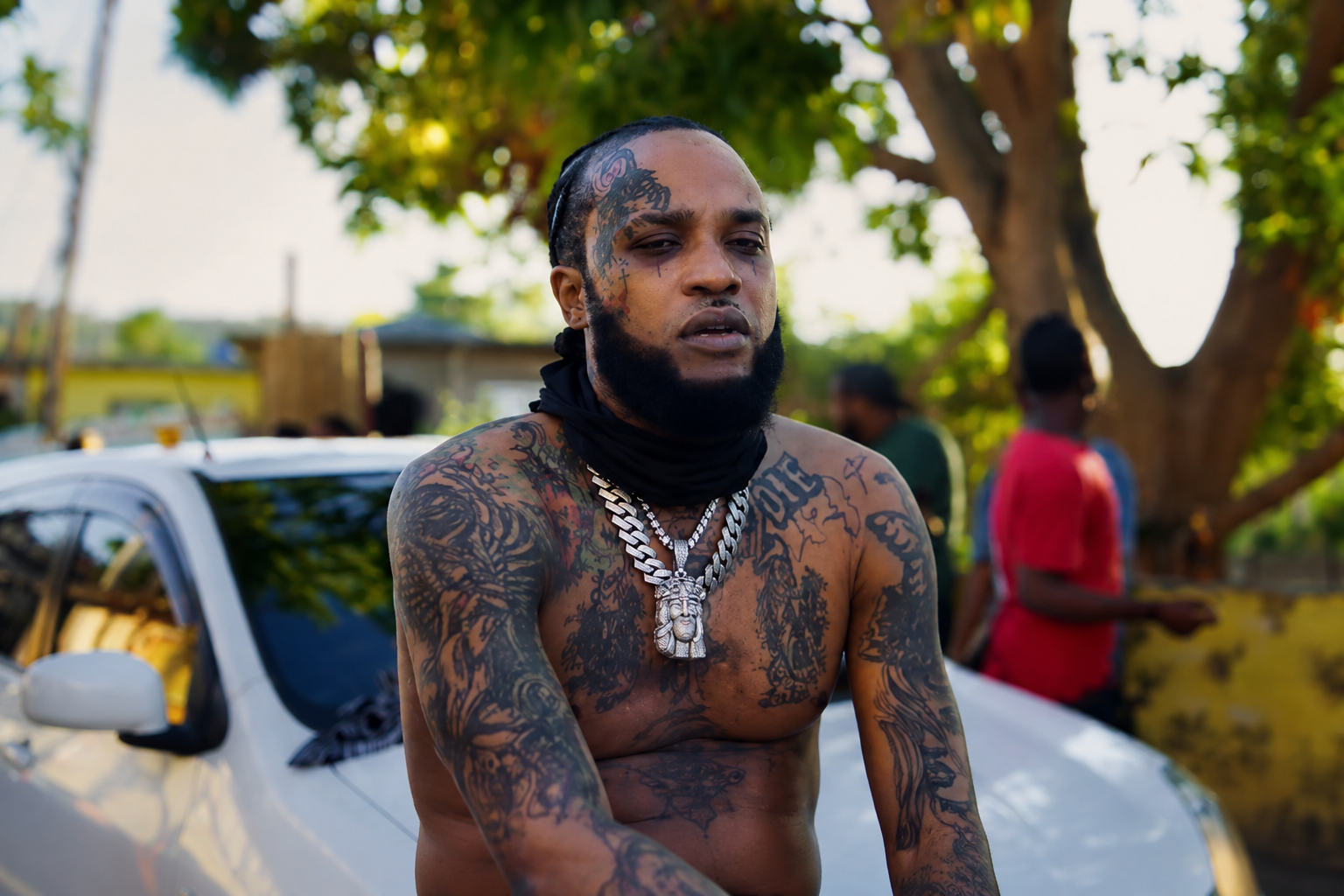
Tommy Lee Sparta has never been easy to package — and that is exactly why his name still carries curiosity. Some artists build their careers by fitting perfectly into what the market already understands. Tommy Lee built his by making the market uncomfortable, interested, and confused at the same time.
That is why this current rockhall moment makes sense. It is not random. It connects to something that has always existed in his brand: darkness, theatre, rebellion, performance, and an instinct for sounds that do not feel clean or safe. Tommy Lee does not need to pretend to be experimental. His image has always lived close to the edge of dancehall’s imagination.
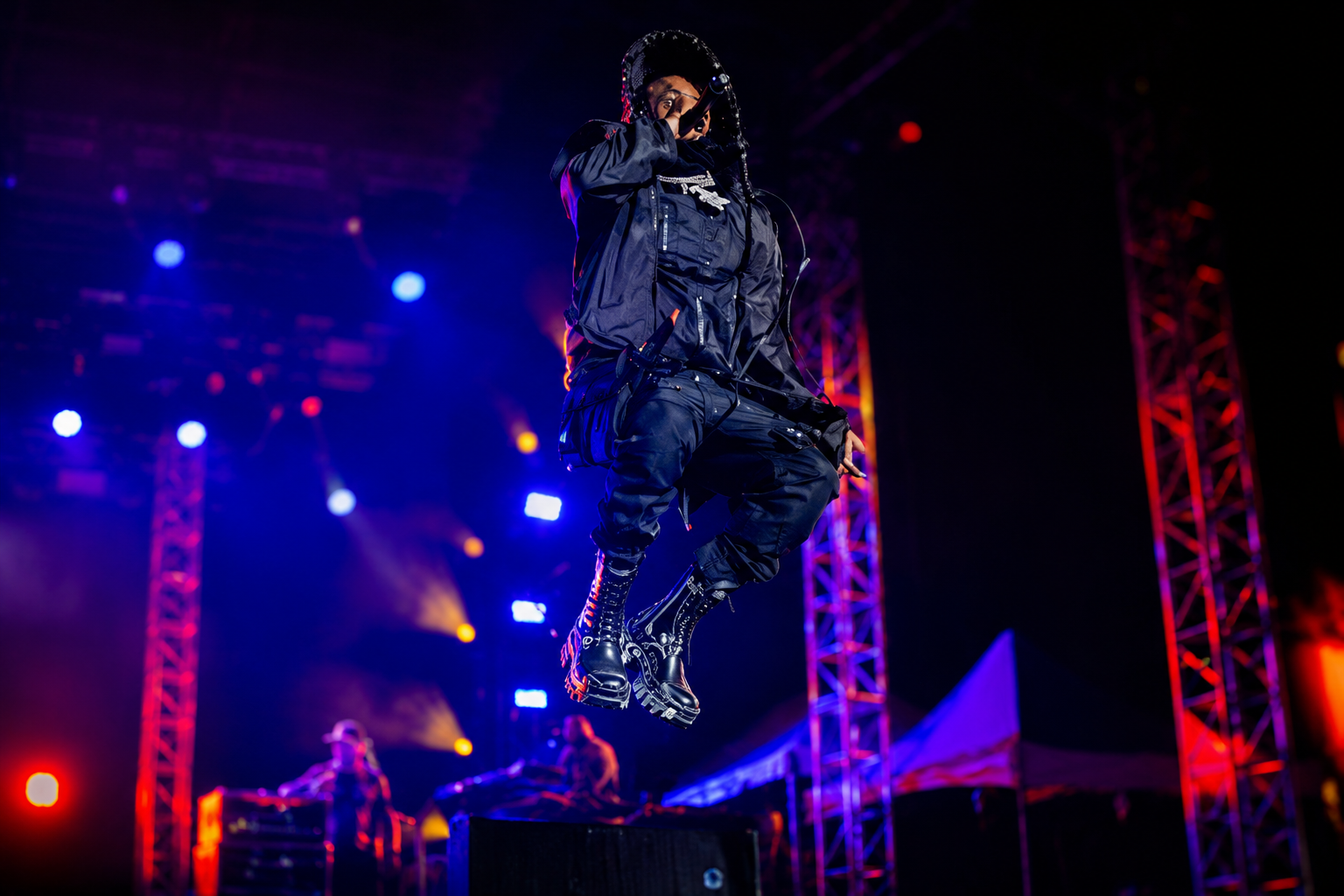
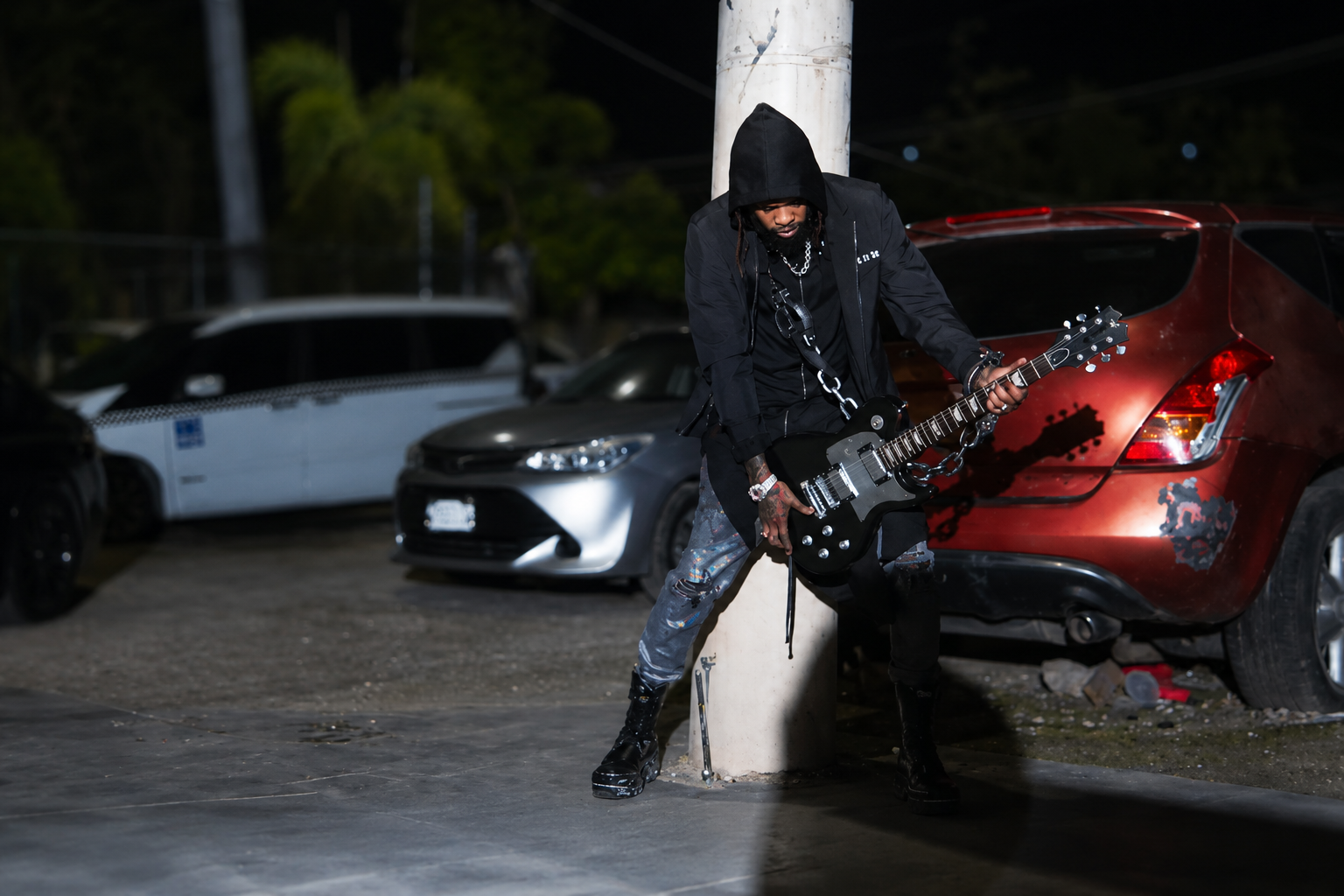
The “Rock It Up” remix energy works because it gives that identity a new frame. Dancehall-rock fusion is not for every artist. Many would look like they were forcing a costume. Tommy Lee can step into that space because his brand already carries the strange, dramatic, outsider quality needed to make it believable.
That is the cultural meaning. Dancehall has always been bigger than one sound, even when people try to trap it inside one definition. The genre survives because it mutates. It borrows. It clashes. It absorbs street energy, church energy, rock energy, trap energy, sound system energy, and turns it into something Jamaican. A rockhall moment is not a betrayal of dancehall. Done right, it is proof that dancehall still knows how to bend sound without losing attitude.
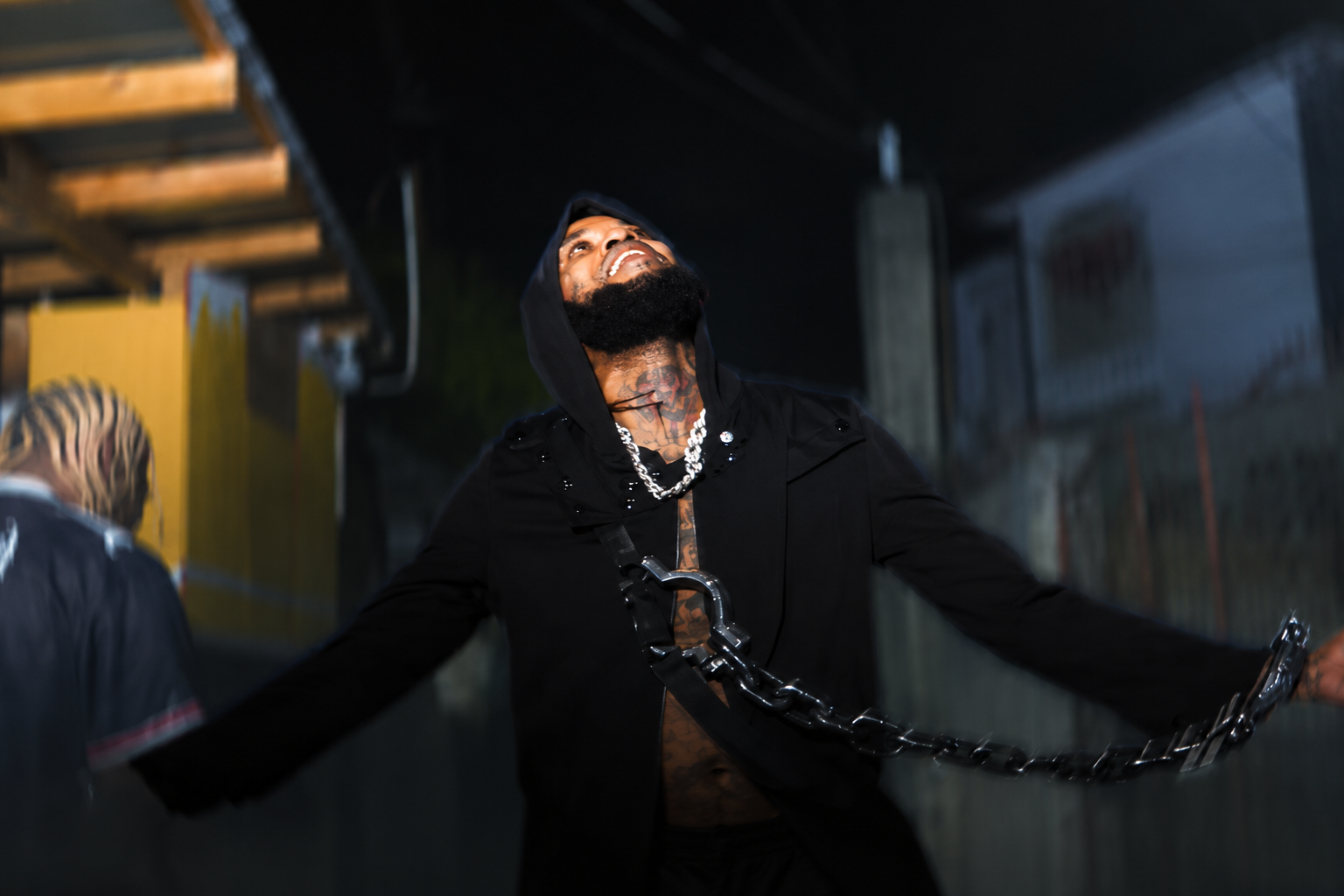
Tommy Lee matters in that conversation because he has always represented the artist who refuses to be softened for easy acceptance. His strongest appeal is not polish. It is identity. Fans do not come to him expecting safe middle-ground music. They come for mood, risk, stage energy, and a brand that feels like it comes from its own corner of the culture.
The industry meaning is clear: being hard to box in can be a problem, but it can also be protection. When an artist is too easy to copy, the lane gets crowded. When an artist has a strange enough identity, imitation becomes harder. Tommy Lee’s challenge is not creating an image. The image is already there. The challenge is updating it without watering it down.
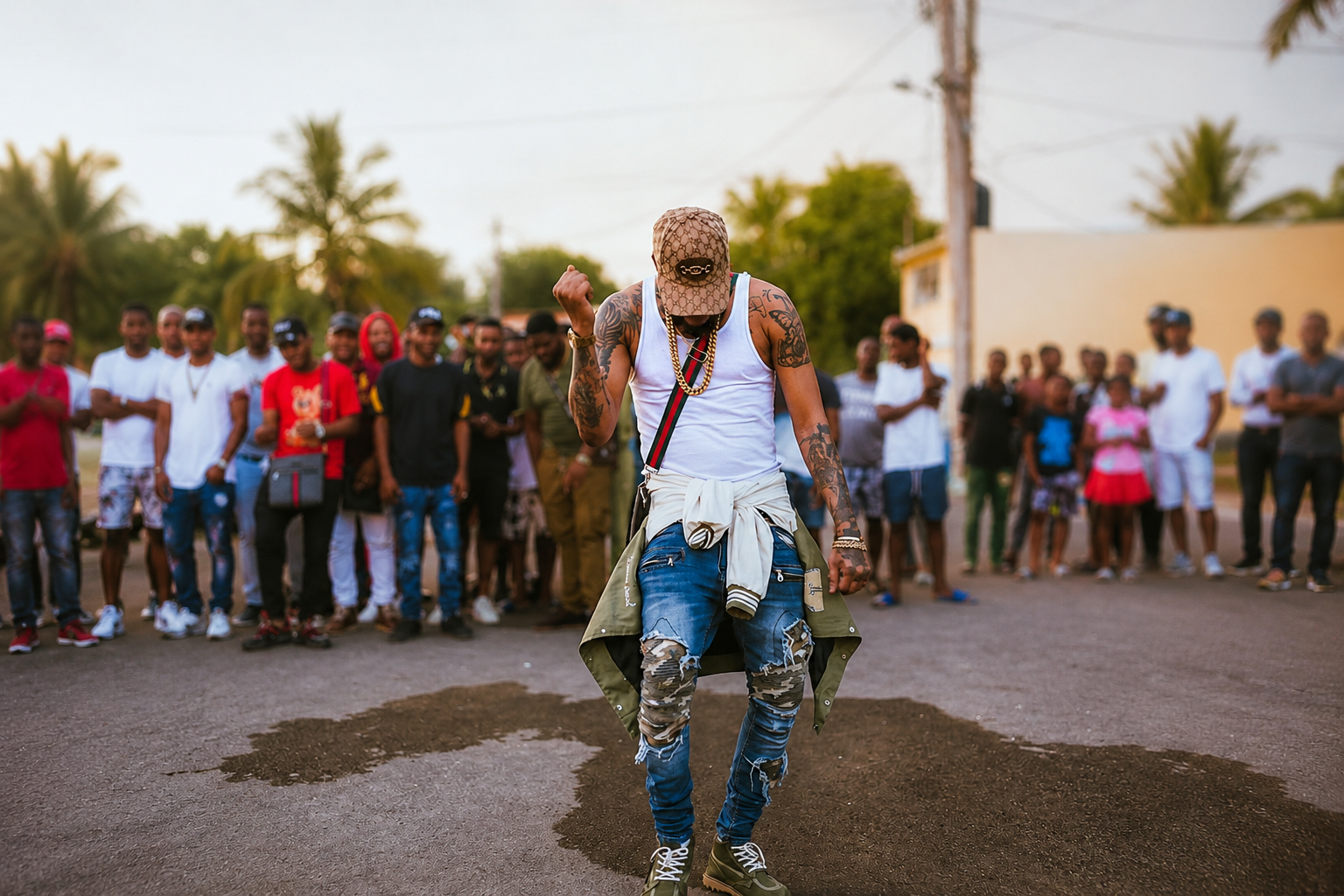
That is why the visual direction matters. The fashion, lighting, video energy, and performance body language must all carry the same self-defined image. If the music is crossing lines, the visuals must make the crossing feel intentional. Otherwise the experiment becomes noise. With Tommy Lee, it has to feel like a world.
Social media can carry this kind of moment because people react to contrast. Dancehall fans will debate it. Rock listeners may be curious. Younger fans may see the styling and energy before they even understand the history. That gives the moment share power.
Tommy Lee Sparta’s current value is not that he fits the new dancehall conversation perfectly. His value is that he interrupts it.
And sometimes, the artist who refuses the box is the one who reminds the culture how wide the room really is.
Comments
Join the next conversation
This slot is reserved for Holyard community discussion, quick reactions, and follow-up commentary once the comment layer is wired in.