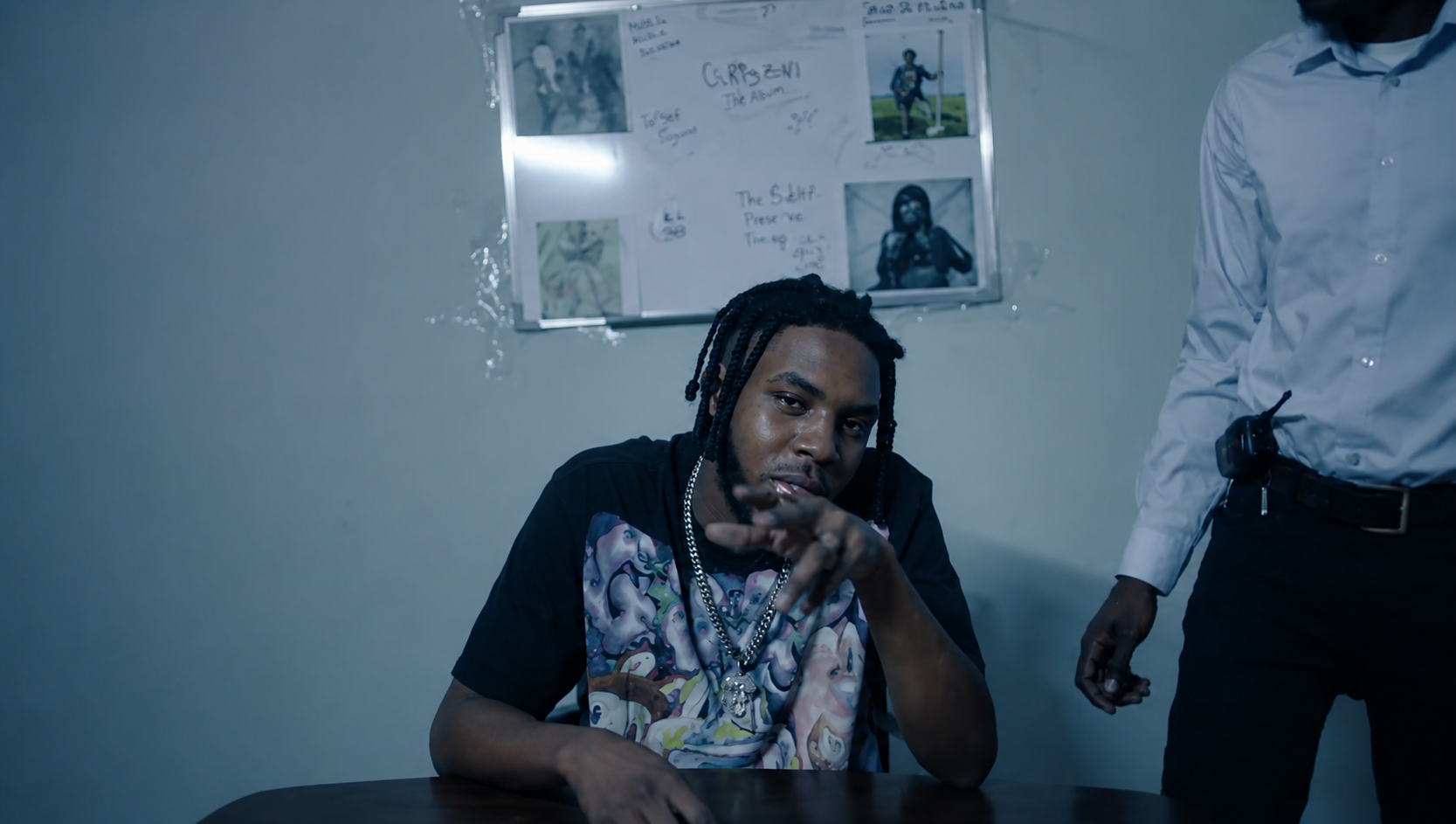
Feloni19 is entering one of the hardest spaces in dancehall: the space between being heard and being remembered. Plenty of artists can drop a song. Plenty can catch a quick reaction. But presence is different. Presence is when the name starts following the music. Presence is when the visuals, the tone, the collaborations, the street energy, and the confidence begin to feel like one package. That is where Feloni19’s current run starts to matter.
The conversation around Feloni19 is not only about one single or one video. It is about a young artist shaping a lane in real time. Rabbit Season gives him something many rising artists do not have early enough: a complete mood. The title alone carries movement. The records around it carry pressure. The visual names around the project — Back To Basic, Don’t Let Me Down, Menace, How Often — all point to an artist trying to make people understand his world before the wider industry decides what box to place him in.
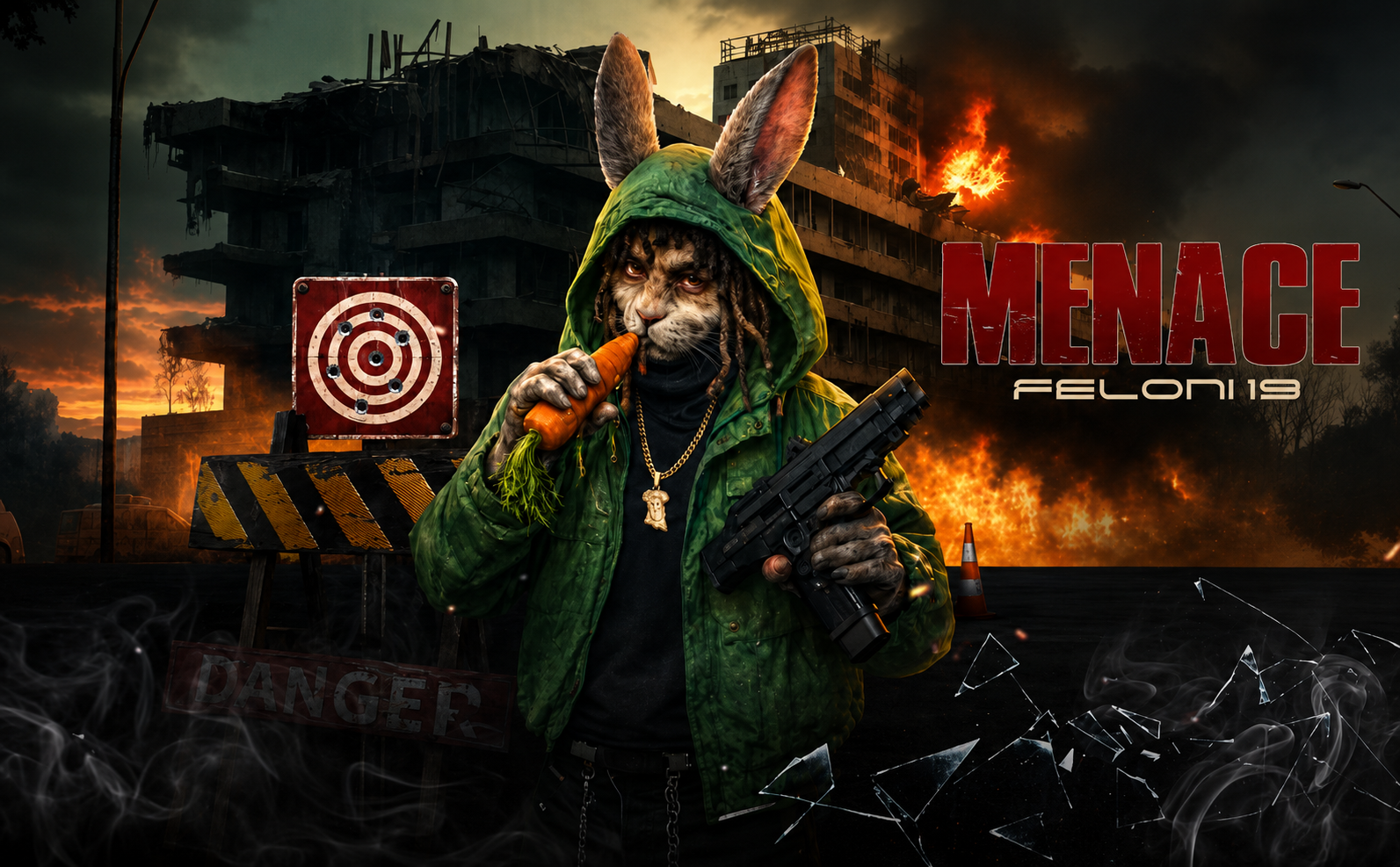
That is important because modern dancehall does not wait for permission anymore. The new generation does not need a gatekeeper to tell them when they are valid. They build through YouTube, street circulation, selectors, short-form clips, studio energy, mixtape culture, and fan repetition. If the streets start saying the name, the internet eventually has to pay attention. Feloni19 feels like he understands that equation.
What makes this moment interesting is the way his sound sits inside the trap-dancehall conversation without losing the dancehall edge. There is a certain coldness in the delivery, but not emptiness. The posture is guarded, but the branding is active. He is not trying to sound like the cleanest industry product. He is leaning into a darker, rawer, more underground identity — the kind of identity that can either disappear quickly or become powerful if the artist keeps tightening the image.

That is where Rabbit Season becomes more than just a project title. It becomes a signal. A signal that Feloni19 is trying to create a season around himself. Not just a song run. Not just a one-week drop. A season. A stretch of visibility where people keep seeing the name, hearing the voice, and connecting the dots.
Dancehall fans care about this because the culture always watches for the next artist who feels real before they feel polished. The fanbase can smell when something is too manufactured. But it also respects pressure. It respects consistency. It respects an artist who keeps showing up with enough confidence to make people argue over whether the movement is real. Feloni19 is still building that argument, but the pieces are now visible.
The Skippa connection also matters. So does the DJ Mac and Cash Code orbit. In dancehall, association is not just networking; it is positioning. When a rising artist is moving around names and sounds that already have current-generation attention, it tells fans where to place him. It says this is not an isolated artist uploading music into silence. This is an artist inside a sound system of motion.
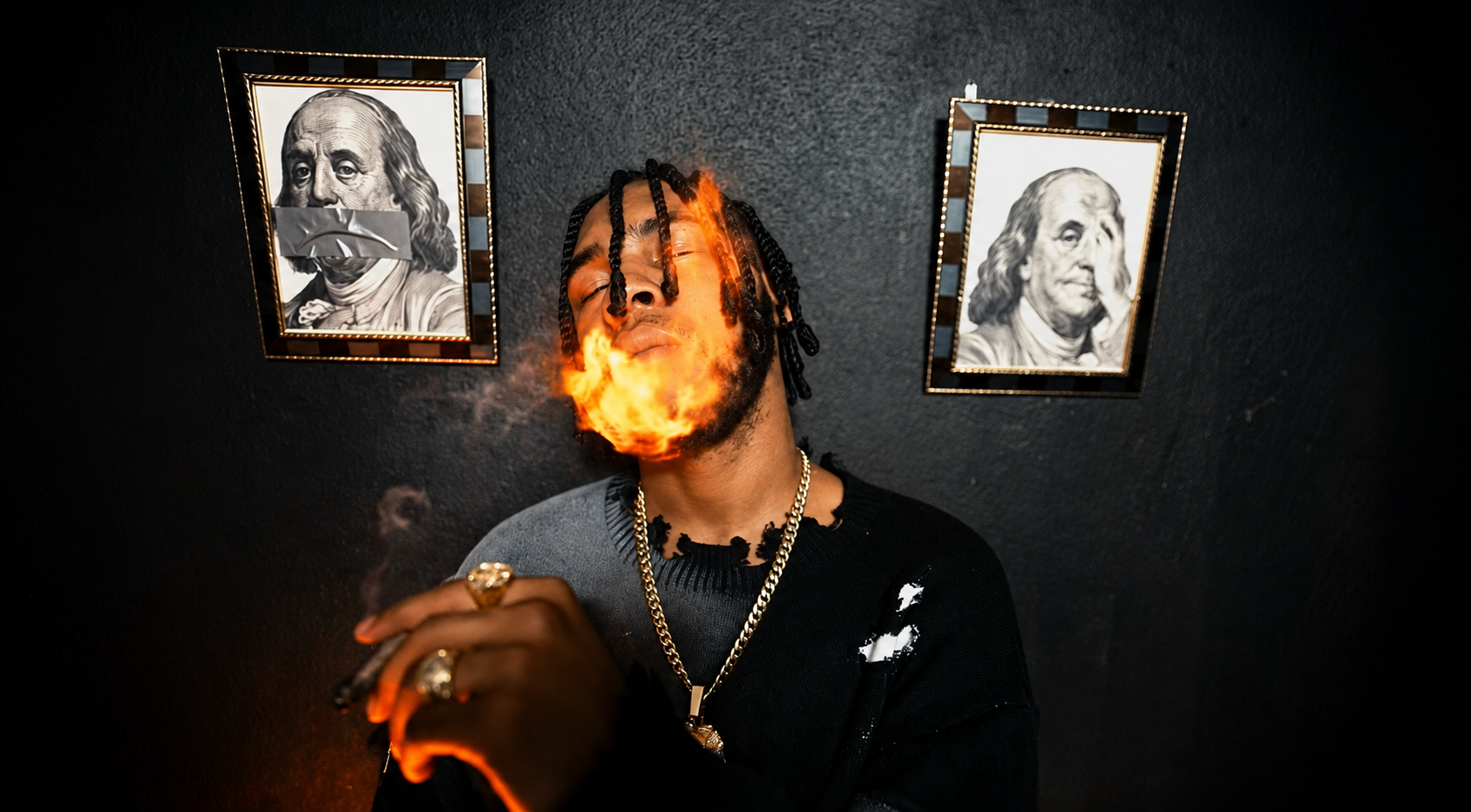
But the strongest part of Feloni19’s current moment is not collaboration. It is identity. The name, the project language, the visuals, and the music all point toward a brand built on pressure, street confidence, and controlled unpredictability. That can travel online because social media does not only share songs. It shares energy. It shares attitude. It shares moments that make fans choose a side early.
That is why Feloni19’s run has the potential to grow. Not because every listener already knows him. Not because the whole industry has stamped him. But because the foundation of a recognizable artist is starting to form. The worst thing a rising dancehall act can be is forgettable. Right now, Feloni19 is pushing in the opposite direction.
The next step is simple but difficult: turn presence into trust. Fans need to believe the next drop will carry the same pressure. The visuals need to keep matching the name. The music needs to sharpen without losing the rawness. The brand needs to feel intentional, not accidental.

Feloni19 does not have to be treated like a finished product yet. That is not the point. The point is that the shape of something is forming. And in dancehall, the moment before everyone agrees is often the most important moment to watch.
Because by the time the mainstream catches up, the culture already knew who was making noise — and who was building presence.
Comments
Join the next conversation
This slot is reserved for Holyard community discussion, quick reactions, and follow-up commentary once the comment layer is wired in.