
Squash is in one of the strangest positions an artist can occupy: physically distant from the daily dancehall stage, but still present in the culture’s imagination. That kind of position can either weaken an artist or sharpen the myth around him. For Squash, the question is no longer just when people see him again. The question is whether the image he built still has enough weight to move without him being everywhere.
That is why his story matters right now. Dancehall is a culture that feeds on visibility, but it also respects mystery. Some artists need constant posting, constant interviews, and constant noise to keep their names alive. Squash has always carried a different kind of energy. His brand was never clean-cut or overly explained. It was street-rooted, heavy, calm, and dangerous-looking without needing to overtalk. That is the image fans remember.
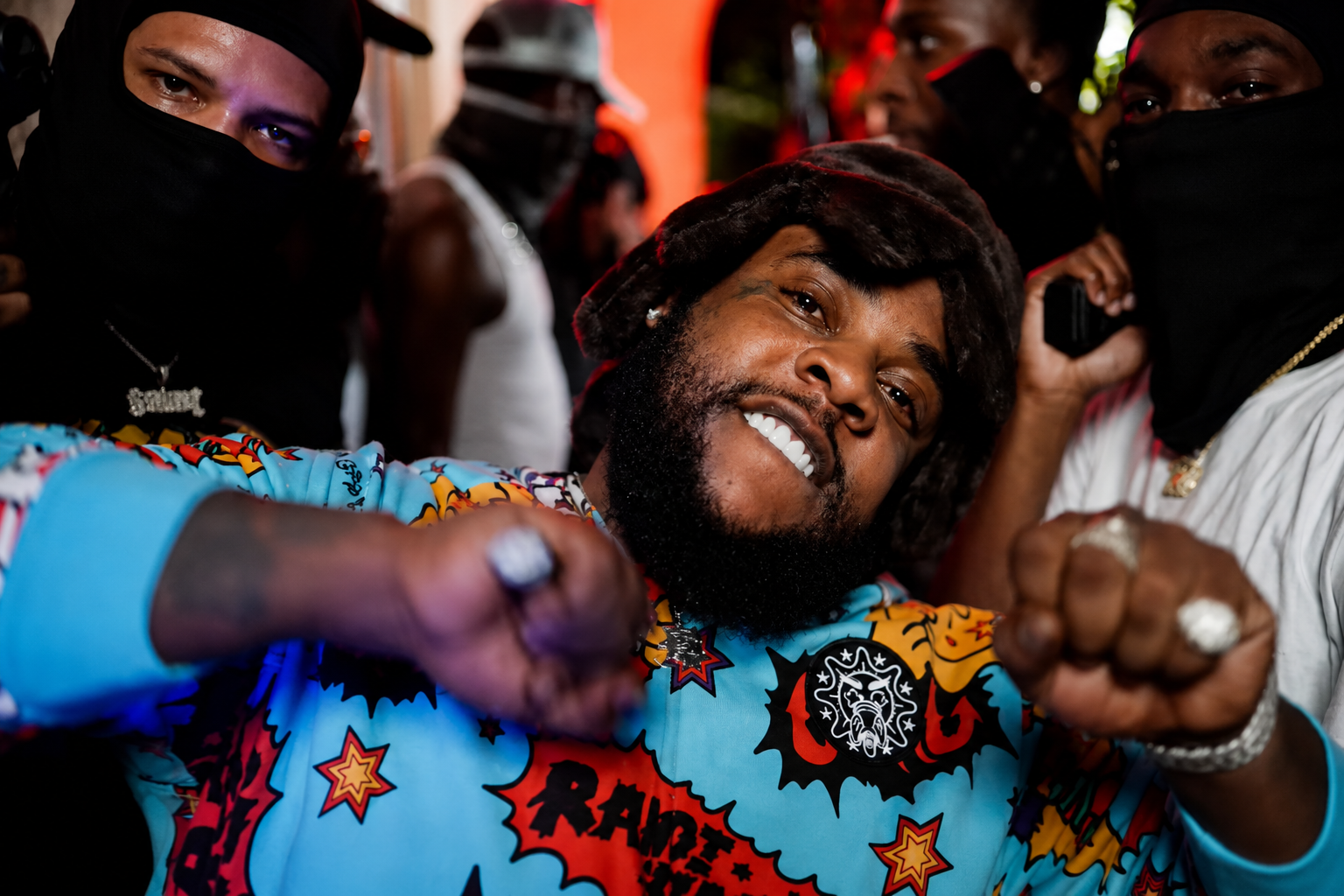
The public conversation around him now sits in a complicated place. There is legal pressure, uncertainty, distance, and speculation. But there is also music still moving through the system. A song like “Pressa” matters because it keeps the name breathing. It reminds people that the Squash identity was never built only on headlines. It was built on tone, delivery, visual presence, and the feeling that he carried a whole world behind him.
That is the cultural part fans understand. Dancehall does not only judge an artist by what is happening today. It judges by impact, loyalty, and memory. If the image was strong enough, it can survive silence for a while. But silence is risky. Stay away too long and the audience starts replacing memory with newer faces. Stay away with the right kind of pressure, and the return becomes part of the story.

Squash’s luxury image is also important. Not soft luxury. Not clean showroom luxury. Street luxury. The kind that says the artist came from pressure but learned to wear status like armor. That image is why his styling, visuals, and body language matter almost as much as the music. Fans are not just watching for songs. They are watching to see if the aura still feels expensive.
This is where the internet becomes powerful. A single photo, a new video still, a clip, a link-up, or a song title can restart the argument. Is Squash still one of the names that matter? Is the 6ixx energy still alive? Can the brand survive a long pause? Those questions are exactly why the page keeps turning.

For Holyard, this is not a gossip story. It is a brand-pressure story. Squash represents the kind of artist whose image became bigger than daily access. That is rare, but it is also dangerous. When your image is that strong, people expect the return to feel just as strong.
The next chapter has to be handled carefully. The music must feel intentional. The visuals must look controlled. The luxury must not look forced. And the street energy must still feel natural.
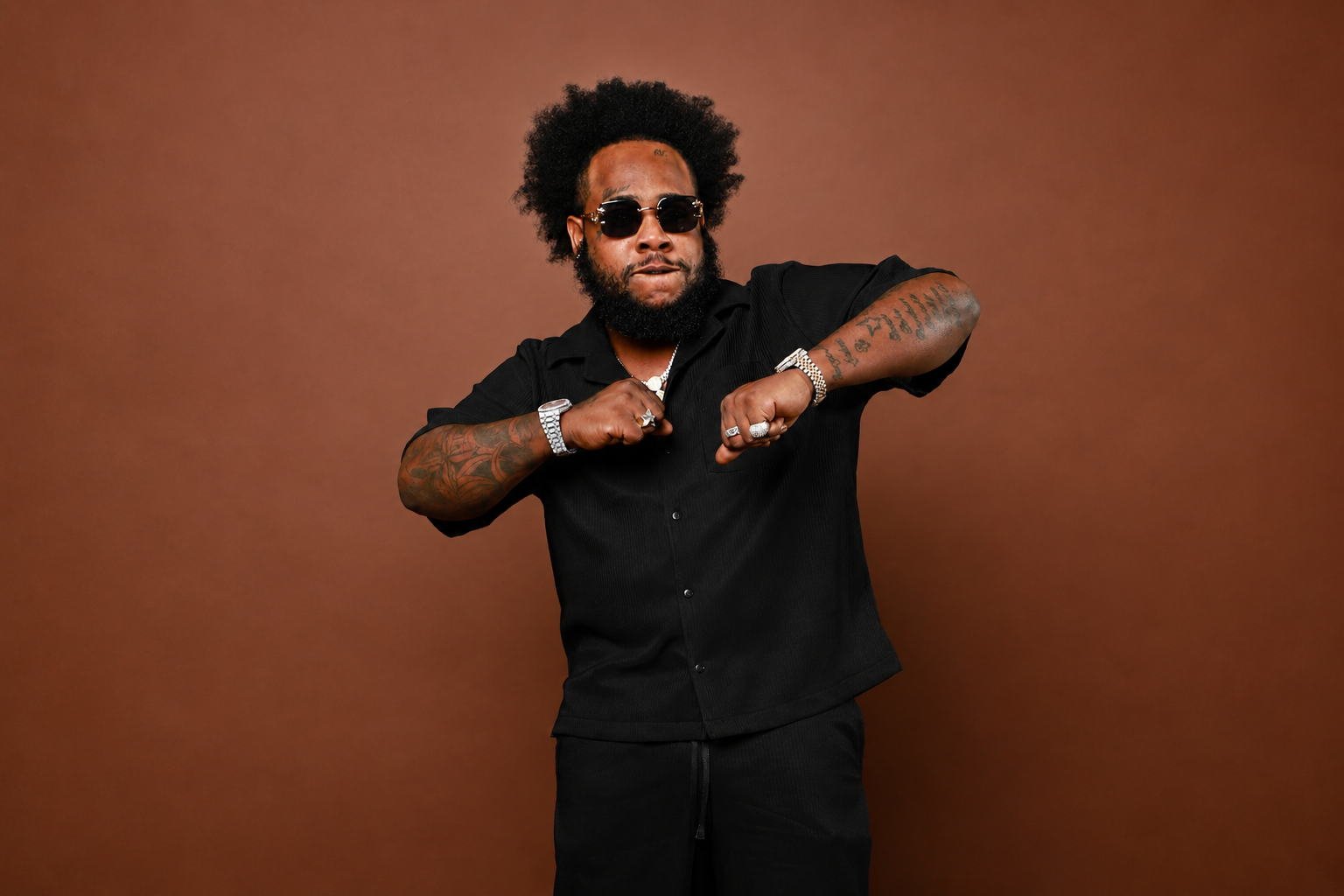
Because in dancehall, absence does not erase everybody. Sometimes it exposes who was really carrying weight.
Comments
Join the next conversation
This slot is reserved for Holyard community discussion, quick reactions, and follow-up commentary once the comment layer is wired in.